The Fourth Time Problem
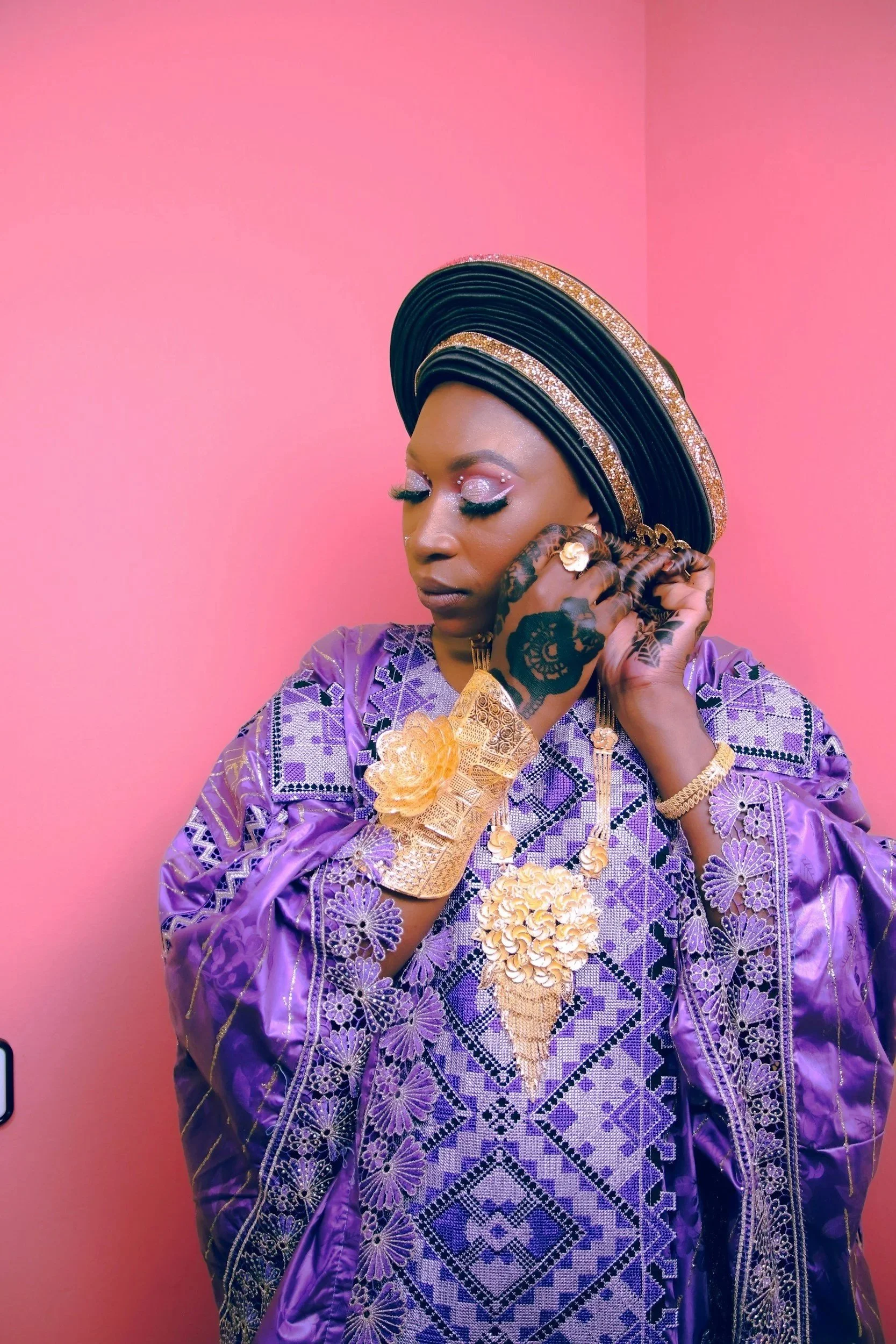
There's a bubu hanging in my closet that I love unreasonably.
It's from a ready-to-wear brand in Abuja, the kind of piece that fits the way African designers understand fit: cut for this body, this heat, this occasion. I've worn it three times- at a milestone birthday celebrations on two different continents and a wedding.
This season, the calendar is filling up again with the same kind of events and largely the same people.
I'm standing in front of my closet doing the math and the fourth time feels like too much not because the bubu has lost anything, but because I have a rule about showing up fully which sometimes means showing up new.
Similar to what alot of Africans in the diaspora do: I go looking back home. The brands on the continent know something that fast fashion will never figure out. They're not guessing at my proportions or defaulting to a silhouette built for someone else's climate and someone else's culture. They design from the inside out, for our bodies, our ceremonies, our need to walk into a room and feel like we arrived as ourselves.
But getting those pieces here is its own journey.
Shipping timelines. Customs fees. Tariff calculations that shift without warning. The bureaucratic distance between you and a dress that was made, essentially, for you — that gap is not accidental but structural.
The global trade system was not designed with the diaspora shopper in mind, and every additional cost is a quiet tax on the act of staying connected to home.
Still, we shop. We ask for video fittings and fabric swatches, confirm measurements twice and track packages obsessively. We pay the fees because what we're really buying isn't just clothing. It's the statement that your story didn't stop at the border. It's fashion as archive.
The bubu stays.
But there's room in the closet and in the story for what comes next.
What are you wearing to the next event?