Ozo learned to say sorry in two languages before he understood they weren't the same word.
The first sorry he learned at home. His mother used it the way she used her hands — freely, instinctively, as a form of touch. When he came home with a bad grade and braced for the lecture, she said sorry and put a plate in front of him. Not sorry for the grade. Sorry for the weight he was carrying alone. It meant: I see you. Come back to yourself. You are not in trouble here.
The second sorry he learned at work. His manager said it in a meeting once, tight-lipped and measured, right after someone raised a concern about a missed deadline. The room went quiet in a particular way. That sorry meant: this conversation is being noted. nothing I say can be used against me. It was a legal instrument dressed in two syllables.
Ozo understood both. He had always understood both. What exhausted him was that no one else in the room seemed to know there was a difference.
This is what it costs to grow up between two cultures. You become fluent in emotional languages that were never designed to overlap. You develop a second hearing, the ability to catch what lives beneath the word, in the pause before it, in the face that says something the mouth is too careful to confirm. You translate constantly, instinctively, without credit, without anyone naming the labor for what it is.
What his mother gave him was not a liability. It was infrastructure.
The most effective communicators Ozo would ever meet were not the loudest in any room. They were the ones who understood that meaning lives below language — in context, in culture, in what a people learned to carry before they ever learned to speak. That is not a soft skill but the skill beneath all the other skills that tells you whose language a message was built for and whose it was never meant to reach.
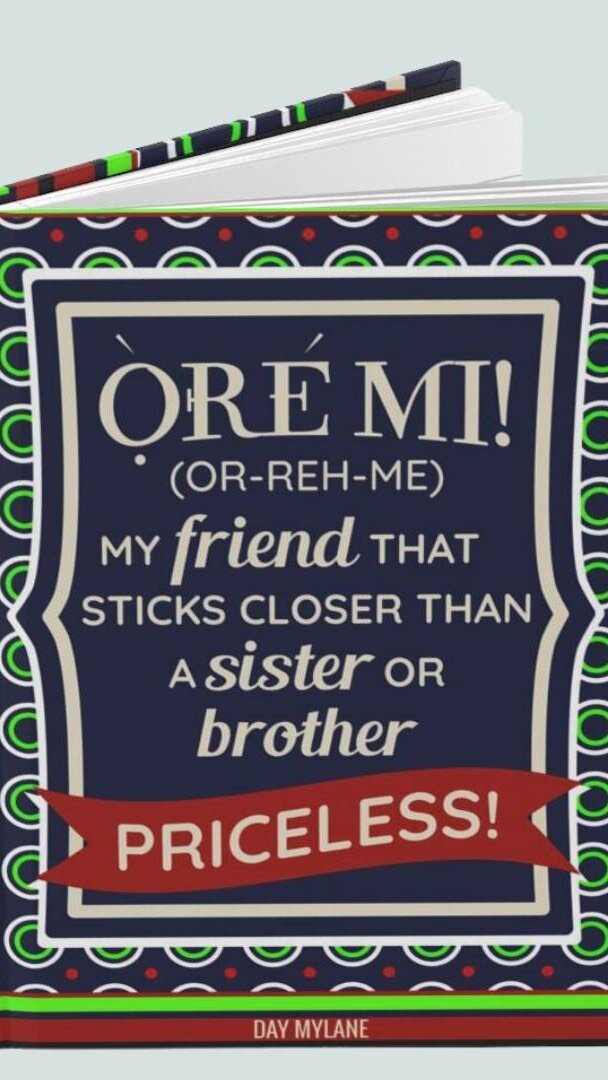
There is a word for what Ozo carries. Several of them, actually. He just wasn't taught them in English.
Day MyLane exists because that knowledge shouldn't have to be rebuilt from scratch in every generation, in every boardroom, in every moment of lonely translation.
The Archive holds it now.